

The Speed of Light.
The Speed of Light – Unity Project (7/9/2020) – (23/3/2023) Middlesex University (BA)
Week 1: Project Kickoff and Initial Concepts
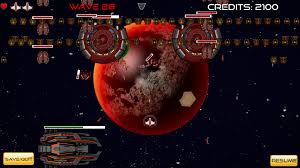
Overview: In the first week, we laid the groundwork for “The Speed of Light,” a fast-paced 2D space shooter inspired by classic games like Thunder Force. This phase involved defining the project’s vision, setting initial goals, and brainstorming core mechanics that would make the game stand out.
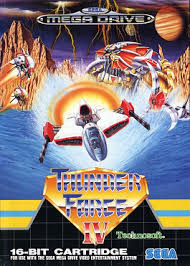
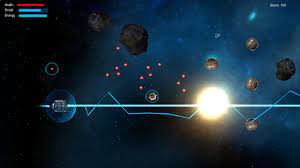
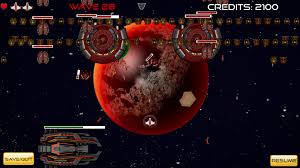
Focus: Our primary focus was to explore and solidify the core concept and mechanics of the game. We aimed to create a game that not only paid homage to classic 2D shooters but also introduced innovative elements to revitalize the genre. This included conceptualizing the timer system, power-ups, and dynamic environments.
Highlights:
- Developed initial sketches and game design documents.
- Created conceptual art to visualize the game’s aesthetic.
- Outlined core mechanics such as the timer system and dynamic environments.
Week 2: Setting Up the Foundation
Overview: Week 2 was dedicated to establishing the basic framework for “The Speed of Light” in Unity. This involved setting up essential game components such as player controls, basic enemy AI, and initial level designs.
Focus: The main focus was on creating a stable and functional foundation to build upon. This included implementing basic gameplay mechanics and ensuring that the core systems were in place and working correctly.
Highlights:
- Set up player controls for smooth and responsive gameplay.
- Developed basic enemy AI with simple behavior patterns.
- Designed and implemented the first draft of the initial level.
Week 3: Designing the Game’s Aesthetic
Overview: In the third week, we concentrated on bringing the visual style of “The Speed of Light” to life. This phase was crucial for defining the game’s artistic direction and ensuring it matched the high-speed, adrenaline-pumping gameplay.
Focus: We focused on developing the game’s art style, including creating sprites, backgrounds, and animations. This also involved iterating on design choices to ensure the visuals complemented the game’s fast-paced nature.
Highlights:
- Developed character and enemy sprites.
- Created detailed background art to enhance the game’s universe.
- Implemented animations for smooth and dynamic visual feedback.
Week 4: Iterative Design Process
Overview: Week 4 was dedicated to refining and improving various game elements through an iterative design process. This involved playtesting early versions of the game and making necessary adjustments based on feedback.
Focus: Our focus was on implementing feedback from playtesting sessions and making iterative changes to enhance the overall gameplay experience. This included tweaking mechanics, adjusting difficulty levels, and refining visuals and audio.
Highlights:
- Conducted playtesting sessions with a small group of players.
- Made iterative changes to game mechanics and visuals based on feedback.
- Improved player controls and enemy behavior for a better gameplay experience.
Week 5: Level Design and Progression
Overview: In the fifth week, we concentrated on crafting engaging and challenging levels for “The Speed of Light.” This involved designing levels that balanced difficulty and fun, ensuring players remained engaged and motivated to progress.
Focus: Our primary focus was on level layout, enemy placement, and progression systems. We aimed to create levels that offered a gradual increase in difficulty while introducing new mechanics and challenges.
Highlights:
- Designed multiple levels with varied layouts and challenges.
- Implemented enemy placement strategies to enhance difficulty and engagement.
- Developed progression systems to guide players through the game.
Week 6: Sound Design and Music
Overview: Week 6 was all about enhancing the game with audio elements. This phase involved creating sound effects and composing the game’s soundtrack to match its pace and mood.
Focus: The focus was on developing a rich audio experience that complemented the visual and gameplay elements. This included designing sound effects for various actions and creating music that enhanced the overall atmosphere of the game.
Highlights:
- Created sound effects for player actions, enemy behaviors, and environmental elements.
- Composed a dynamic soundtrack that matched the game’s high-speed action.
- Integrated audio elements into the game for a cohesive experience.
Week 7: Power-Ups and Abilities
Overview: In the seventh week, we added depth to the gameplay by designing and implementing power-ups and special abilities. These elements were crucial for providing players with strategic options and enhancing the overall experience.
Focus: Our main focus was on creating a variety of power-ups that players could collect and use. This involved designing their effects, ensuring they were balanced, and integrating them seamlessly into the gameplay.
Highlights:
- Designed multiple power-ups with unique abilities.
- Implemented power-up collection and activation mechanics.
- Balanced power-ups to ensure they enhanced gameplay without overpowering it.
Week 8: Enemy Design and AI
Overview: Week 8 was dedicated to crafting challenging and diverse enemies. This involved developing enemy behavior and attack patterns to keep the gameplay dynamic and engaging.
Focus: We focused on designing various enemy types with unique behaviors and attack patterns. This also included creating AI systems that provided a fair yet challenging experience for players.
Highlights:
- Developed different enemy types with distinct behaviors.
- Implemented complex attack patterns for increased difficulty.
- Enhanced enemy AI to provide a challenging gameplay experience.
Week 9: Boss Battles
Overview: In the ninth week, we concentrated on designing epic boss encounters. Boss battles are a staple of the shooter genre, and we aimed to create memorable and challenging fights that tested players’ skills and strategies.
Focus: Our focus was on creating boss characters with unique mechanics and multi-phase battles. This included designing their appearance, behaviors, and attack patterns to ensure each boss fight was a highlight of the game.
Highlights:
- Designed and developed multiple boss characters.
- Implemented multi-phase boss battles with escalating difficulty.
- Created unique attack patterns and behaviors for each boss.
Week 10: User Interface and Experience
Overview: Week 10 was dedicated to designing the game’s interface and user experience. This involved creating intuitive menus, HUDs, and overall player experience elements.
Focus: The main focus was on ensuring the user interface was easy to navigate and complemented the gameplay. This included designing menus, HUD elements, and other interface components that were both functional and visually appealing.
Highlights:
- Designed and implemented intuitive menus and navigation systems.
- Created HUD elements that provided clear and useful information to players.
- Conducted user testing to refine the interface based on feedback.
Week 11: Polish and Bug Fixing
Overview: In the eleventh week, we concentrated on refining the game to ensure a smooth experience. This involved identifying and fixing bugs, optimizing performance, and polishing gameplay elements.
Focus: Our primary focus was on improving the overall quality of the game. This included extensive testing to find and fix bugs, optimizing performance for different platforms, and polishing various gameplay aspects.
Highlights:
- Conducted thorough testing to identify and fix bugs.
- Optimized game performance for smooth gameplay across platforms.
- Polished visual and audio elements for a cohesive experience.
Week 12: Playtesting and Feedback
Overview: Week 12 was all about gathering and implementing player feedback. This involved conducting playtesting sessions to gather insights and making necessary adjustments based on the feedback received.
Focus: The focus was on conducting extensive playtesting to understand player experiences and identify areas for improvement. This included analyzing feedback and making iterative changes to enhance the game.
Highlights:
- Organized playtesting sessions with a diverse group of players.
- Gathered detailed feedback on gameplay, difficulty, and enjoyment.
- Made iterative changes based on player feedback to improve the game.
Week 13: Final Touches and Launch Preparation
Overview: In the final week, we focused on preparing for the game’s release. This involved making final adjustments, developing marketing strategies, and planning the launch.
Focus: Our primary focus was on ensuring the game was ready for launch. This included finalizing all game elements, preparing marketing materials, and setting up the launch plan to ensure a successful release.
Highlights:
- Made final adjustments to gameplay, visuals, and audio.
- Developed marketing strategies and materials to promote the game.
- Prepared and executed the launch plan for “The Speed of Light.”
Conclusion: Reflecting on the Journey
Overview: As we conclude this development journey, it’s time to reflect on the process, lessons learned, and achievements. This phase involves looking back at the challenges faced, solutions implemented, and overall growth throughout the project.
Focus: The focus is on reflecting on the entire development journey, from initial concept to final release. This includes acknowledging the challenges faced, the solutions found, and the milestones achieved.
Highlights:
Shared personal reflections and thoughts on the future of the game.
Reflected on key challenges and solutions throughout development.
Celebrated milestones and achievements in creating “The Speed of Light.”
 Daniel Henry's Portfolio